
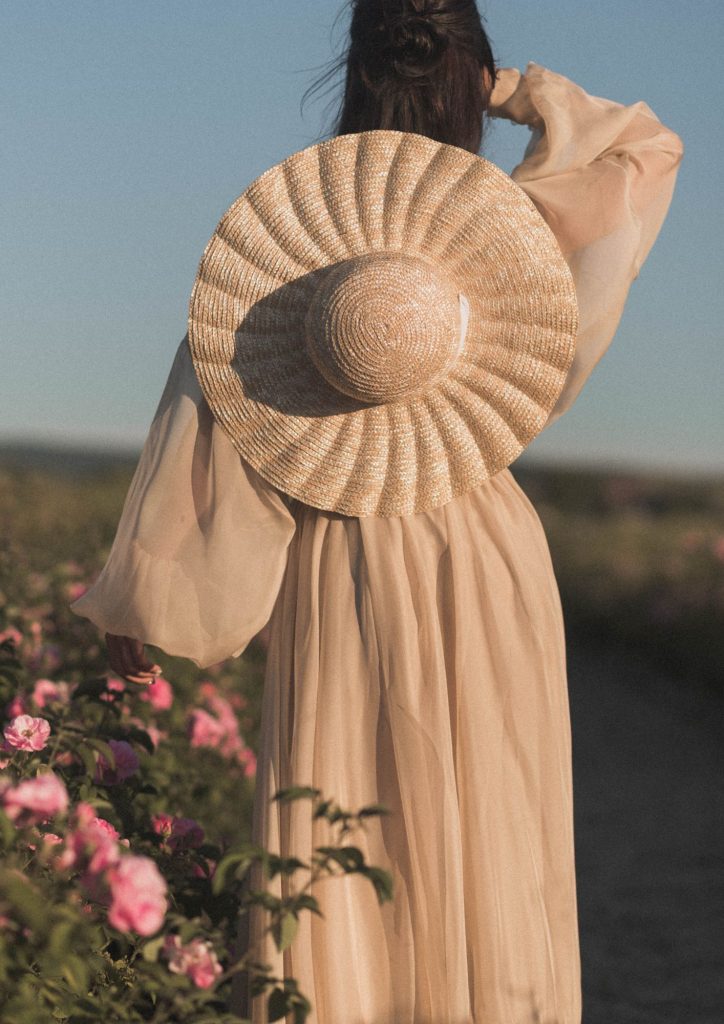
Gardens are not just bee-autiful havens for us and our plants but thriving ecosystems that support vital pollinators like bees. Designing a bee-friendly garden not only adds be-eauty to your surroundings but also plays a crucial role in supporting the declining bee population. It’s a win-win!
Let’s explore the steps to create a pollinator-friendly paradise right in your backyard.
1. Plan a Bee-Centric Landscape
Choose Native Plants: Opt for a variety of native flowers, shrubs, and trees. Native plants attract local bee species and offer nectar and pollen.
Diversity in Blooming Periods: Select plants that bloom at different times throughout the seasons. This ensures a continuous food source for bees.
2. Create Bee H(e)avens
Plant a Bee Buffet: Include a mix of single-petal flowers like daisies, asters, and sunflowers. These provide easy access to nectar and pollen for bees. Think big!
Herbs for Bees: Incorporate herbs like lavender, rosemary, and thyme. They offer both fragrance for you and your cooking, and a feast for bees.
3. Provide Nesting Sites
Leave Untouched Spaces: Leave some areas of your garden wild or untouched. Bees often nest in dry, undisturbed spots like bare soil or small piles of wood.
Bee Hotels: Consider installing a bee hotel with hollow tubes or drilled blocks of wood, providing shelter for solitary bees. Keep a close eye and watch them as they appreciate it!
4. Eco-Friendly Practices
Avoid Chemicals: Go for organic and natural alternatives to chemimal and potentially dangerous for all pesticides and herbicides. Chemicals can harm bees and other beneficial insects, not to mention your pets, kids and of course, you.
Water Sources: Place shallow dishes or birdbaths with pebbles for bees to access water without drowning. They look good too, so they can be a design element as well.
5. Engage in Observations and Maintenance
Observe and Learn: Spend time watching bees in your garden. Observe their behaviors and the flowers they frequent. It’s surprisingly interesting and may we add, therapeutic! We tried this while researching for this article and we find it to be a lovely way to release stress in a soft, quiet way.
Regular Care: Maintain your garden by weeding, pruning, and providing proper hydration to plants. A well-kept garden is more inviting to pollinators.
A bee-friendly garden is so much more than about aesthetics; it’s a sanctuary that fosters biodiversity and sustains our ecosystem. By incorporating these simple practices into your gardening routine, you can create a place that is bee friendly and contributes to the well-being of our essential pollinators.
So, embark on this sweet journey of nurturing a garden that hums with life, creating a harmonious space where both nature and bees thrive together.
Reach out to our buzzing team and let’s create a buzz together. Don’t bee shy—send a message:
Feeling social? Follow us on Facebook and Instagram where we will be serving generously sweet tips, recipes, projects, and product updates.
Make sure to tag us with your garden pictures for a chance to get featured on our page!
BEE-INSPIRED ARTS AND CRAFTS. D.I.Y PROJETCS FOR KIDS AND ADULTS
Welcome, crafty bees and aspiring artisans! At Bee Specific, we’re here to transform your world into a hive of creativity. Get ready to dive into... Read More
BEE-FRIENDLY GARDENING: HOW TO CREATE A POLLINATOR-FRIENDLY GARDEN
Gardens are not just bee-autiful havens for us and our plants but thriving ecosystems that support vital pollinators like bees. Designing a bee-friendly garden not... Read More
BEE SUSTAINABLE: ECO-FRIENDLY PRACTICES INSPIRED BY BEES
Bees, with their harmonious and sustainable ways of life, provide us with valuable lessons in fostering eco-conscious habits. Let’s explore together, what we can learn... Read More