
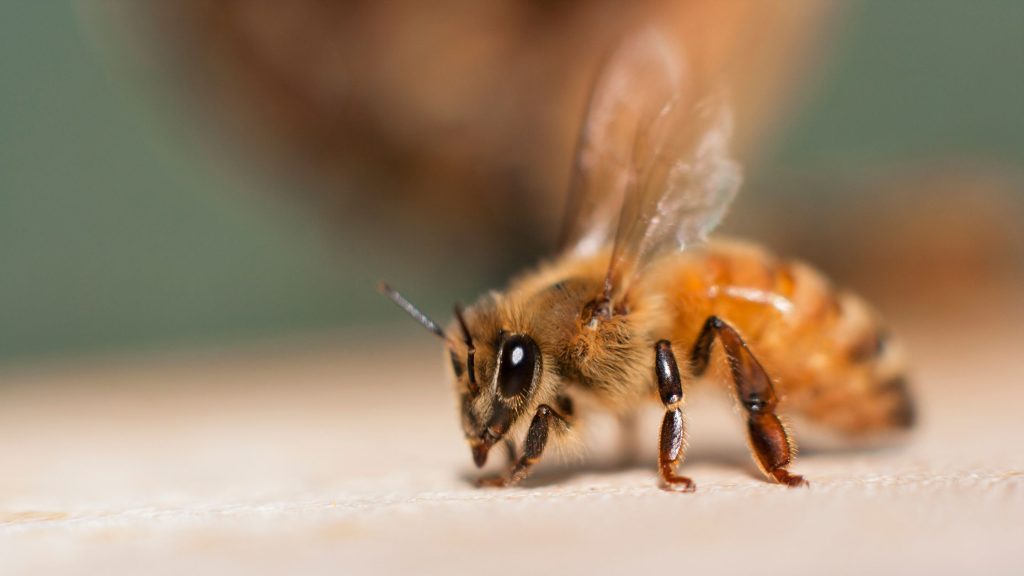
Bees, the unsung heroes of our ecosystem, have an intricate anatomy that facilitates their vital roles as pollinators and honey producers. Let’s explore the remarkable features and interesting details of bee anatomy, while we share the secrets behind these bee-loved creatures.
Wings of Precision
Double Set of Wings: Bees have two sets of wings, each connected to the thorax. These wings move in unison, enabling bees to achieve remarkable precision and agility during flight.
Wing Beats: They flap their wings at an astonishing rate of around 200 beats per second, granting them the ability to hover, maneuver swiftly, and navigate through intricate floral landscapes.
Buzzing Muscles
Thoracic Muscles: The powerful thoracic muscles that drive their wings make up a significant portion of a bee’s body. These muscles allow bees to sustain flight for extended periods.
Buzz-Pollination: Certain bee species, like bumblebees, use their buzzing muscles to perform buzz-pollination, vibrating flowers to release pollen for collection.

Multifaceted Eyes
Compound Eyes: Bees have large compound eyes, consisting of thousands of individual lenses called ommatidia. These eyes grant bees exceptional vision, enabling them to detect ultraviolet light and navigate effectively.
Pollen Detection: Their compound eyes aid in identifying flowers’ ultraviolet patterns, guiding bees to nectar sources and facilitating effective pollination.
Specialized Mouthparts
Proboscis: Bees have a proboscis—a long, tube-like mouthpart—that allows them to suck nectar from flowers. They also use this intricate structure to collect and transport pollen.
Specialized Tongue: Their tongue, known as a glossa (Greek), varies in length across bee species, catering to different flower shapes and depths.
Australian Manuka Honey


Before we wave goodbye, we thought we’d share 5 five lesser-known facts about bees:
- Dance Language: Did you know that bees communicate intricate information about food sources through a dance known as the “waggle dance”? Now you do! This unique movement conveys the direction, distance, and quality of nectar or pollen to other members of the hive.
- Electric Charge: Bees carry a positive electric charge when they fly. We bet you didn’t know that! Flowers, negatively charged, attract the positively charged bees, aiding in efficient pollination as pollen is transferred more easily. Opposites attract you say?
- Individual Jobs: Each bee in a colony has a very specific role. Worker bees perform various tasks like nursing larvae, foraging, and cleaning the hive, while drones mate with the queen and male bees. So well organized!
- Royal Diet: The queen bee is fed royal jelly, a special secretion produced by worker bees. This unique diet contributes to her enhanced size, fertility, and longer lifespan compared to other bees in the colony. It’s a luxurious life!
- Hive Temperature Control: Did you know that bees actively regulate the temperature within their hive? Here’s how they roll: They fan their wings to cool the hive in hot weather and cluster together to generate warmth during colder seasons, maintaining an optimal hive temperature for the brood. Fascinating, isn’t’ it?
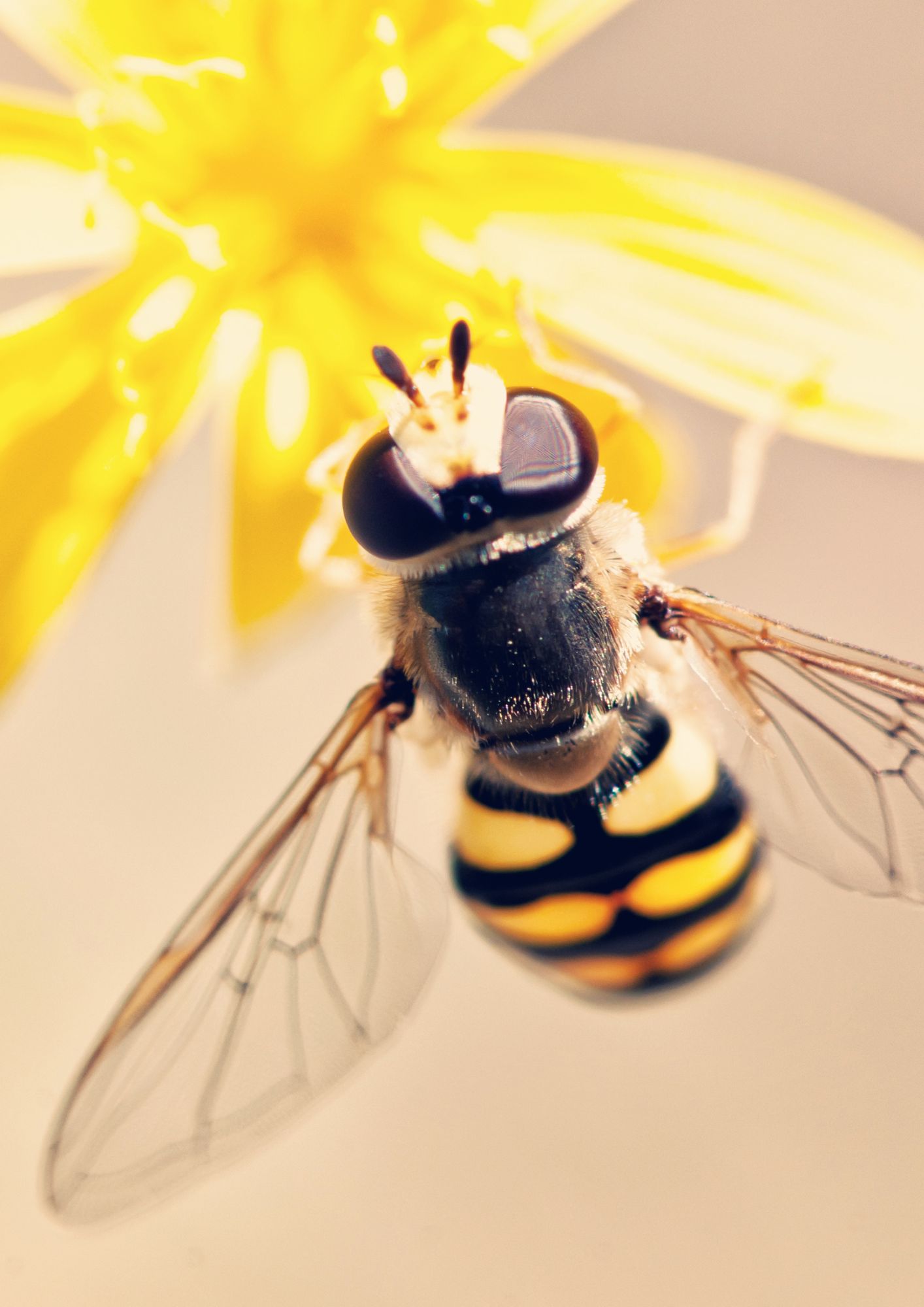
We hope you found this article interesting and that we insured you to take a closer look next time you see bees buzzing in your garden! The intricate anatomy of bees is a testament to nature’s brilliance, equipping these tiny creatures with specialized adaptations for their critical roles as pollinators and honey producers. It’s so fun to watch!
Exploring the finer details of bee anatomy unveils a world of marvel, where every wing beat, compound eye lens, and specialized mouthpart contributes to the essential work these industrious insects perform in sustaining our ecosystem. It’s so fascinating!
Next time you encounter a buzzing bee in your garden, marvel at the complexity hidden within its seemingly delicate form—a true testament to the wonders of nature, isn’t it?
Reach out to our buzzing team and let’s create a buzz together. Don’t bee shy—send a message:
Feeling social? Make sure to follow us on Bee-stagram and Facebook where we will be serving generously sweet tips, recipes, projects, and product updates.
BEE-INSPIRED ARTS AND CRAFTS. D.I.Y PROJETCS FOR KIDS AND ADULTS
Welcome, crafty bees and aspiring artisans! At Bee Specific, we’re here to transform your world into a hive of creativity. Get ready to dive into... Read More
BEE-FRIENDLY GARDENING: HOW TO CREATE A POLLINATOR-FRIENDLY GARDEN
Gardens are not just bee-autiful havens for us and our plants but thriving ecosystems that support vital pollinators like bees. Designing a bee-friendly garden not... Read More
BEE SUSTAINABLE: ECO-FRIENDLY PRACTICES INSPIRED BY BEES
Bees, with their harmonious and sustainable ways of life, provide us with valuable lessons in fostering eco-conscious habits. Let’s explore together, what we can learn... Read More